

From Florida to your port.
How an order moves, what the shipping terms FOB (free on board) and CIF (cost, insurance and freight) mean for you, and what goes in the container besides the product.
The six steps of an export order
Tell us what you need
Products, retail or food service sizes, volumes, your market and the languages on the label.
Specs and samples
We agree recipes and sizes and send samples for your approval.
Pro forma
A pro forma is a written quote. Prices, shipping terms, payment terms and timing, in one document.
Production and labels
Our suppliers produce; your labels go on in your languages; cases are packed for export.
One container
Everything is consolidated into one mixed container, with the papers your order needs.
Arrival
Follow the shipment and download every document in the buyer portal.
FOB or CIF?
Two of the Incoterms® rules (International Commercial Terms, published by the International Chamber of Commerce): who pays the sea freight and where the risk passes to you.
Free On Board, Florida port
We deliver the goods on board the vessel in Florida. From there you book and pay the sea freight and insurance, and the risk is yours once the goods are on board.
Good when you already have a forwarder with good rates.
Cost, Insurance and Freight, your port
We book and pay the sea freight and a minimum insurance to your destination port. The risk still passes to you when the goods are loaded in Florida.
Good when you want one price to your port.
General information, not legal or customs advice. Your pro forma states the agreed terms.
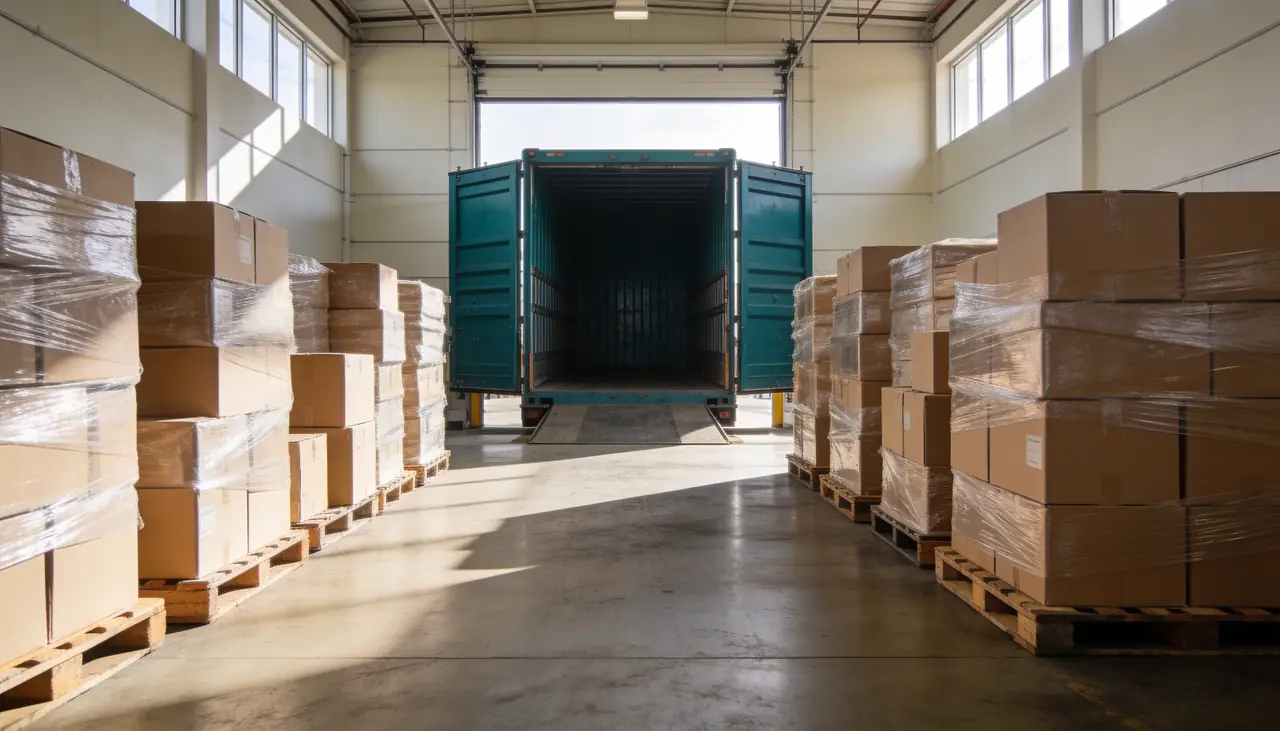
20 or 40 feet.
A 20-foot container carries about half the pallets of a 40-foot one. Sauces and dressings are heavy, so a container can reach its weight limit before it is full. We plan the mix by pallets and by weight, and you can try it yourself in the Florida Gardens container builder. Pallet and weight figures are examples, to be confirmed by Bouras.
The papers that travel with it.
What an export food shipment usually carries. Your customs broker confirms what your market requires, and we work through it with you.
Commercial invoice and packing list
What is in the container, how it is packed and what it is worth.
Bill of lading
The carrier's receipt and the title document for the goods at sea.
Certificate of origin
Where the goods were made, often needed for duties and clearance.
Market-specific certificates
Certificates your country asks for, confirmed per order.
Have a product list already?
Tell us what you need and we come back with questions and a time to talk.